9 dated updates on water filters: certification changes, EPA rules, recalls, launches and findings from our own data. Latest (October 23, 2026): We checked 96 filters: 44% of reduction claims are brand-tested only.
Waterdrop, iSpring, AquaTru, Frizzlife and LifeStraw listed new filters between August 4 and September 27, 2026; as of October 23 we had not confirmed any of them in an NSF, WQA, IAPMO or CSA listing.
Of the 15 current water filter pitchers we track, only the PUR PLUS 11-cup (Total PFAS) and the ZeroWater 10-cup (PFOA and PFOS) have a certified PFAS reduction, both listed by IAPMO R&T under NSF/ANSI 53.
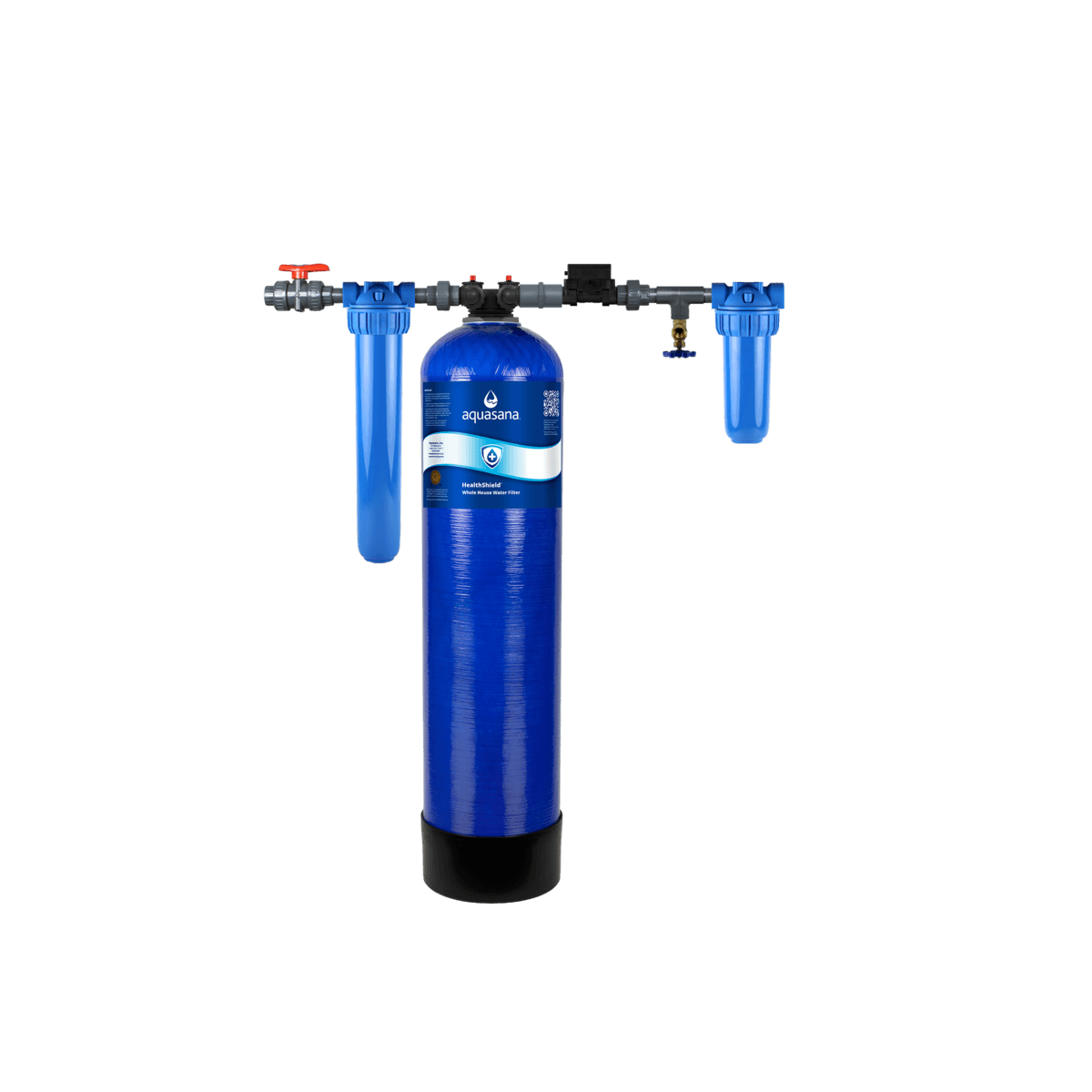
Only 2 of the 17 whole-house filters we track have a certified reduction for a health-related contaminant: the SpringWell Lead & Cyst system (lead, PFAS, cysts) and the Aquasana HealthShield (PFAS, VOCs).
On September 30, 2026 the D.C. Circuit heard arguments in AWWA v. EPA (No. 24-1376), a challenge to the 2024 Lead and Copper Rule Improvements; the rule stays in effect, with its main compliance date on November 1, 2027.
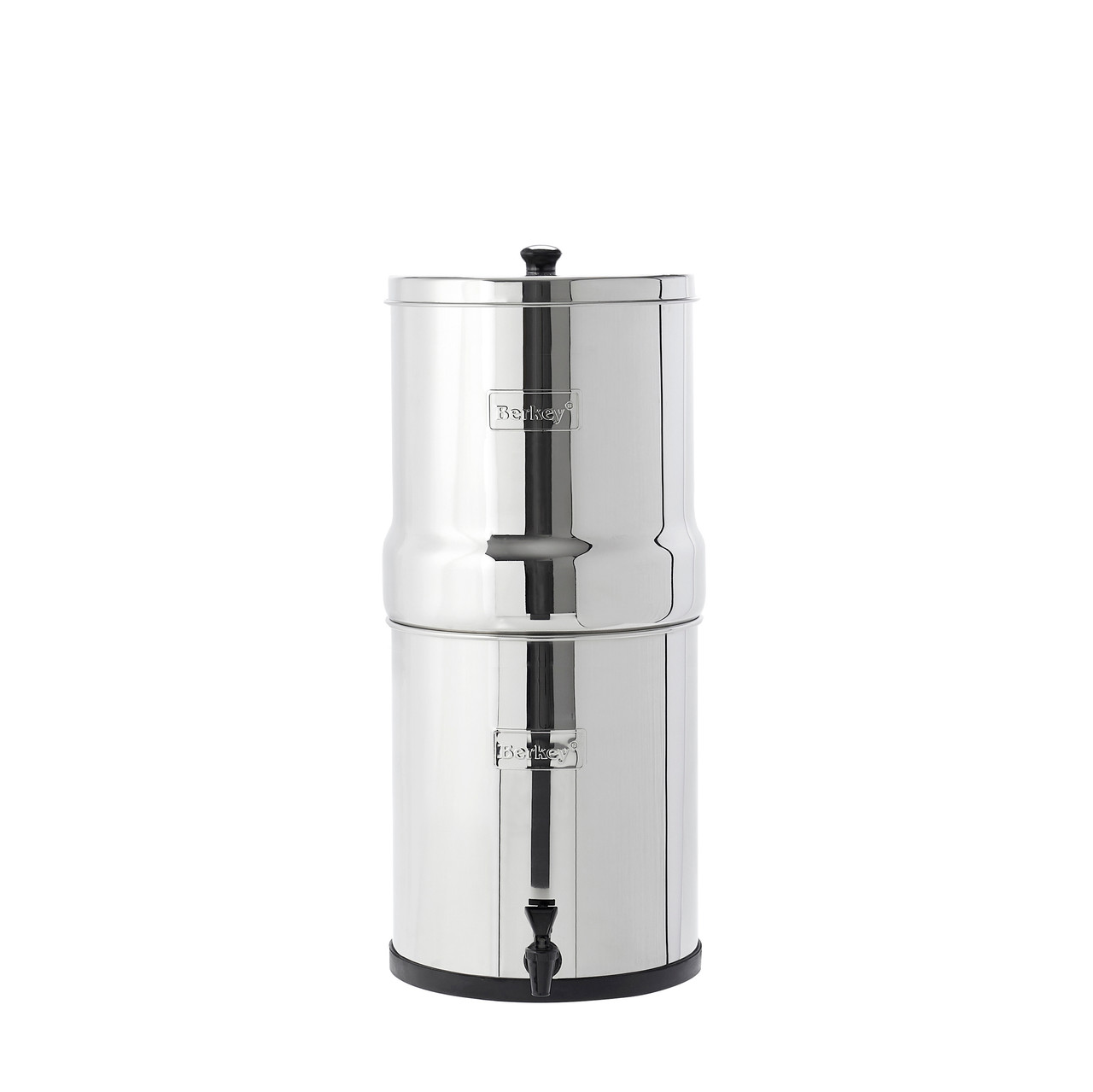
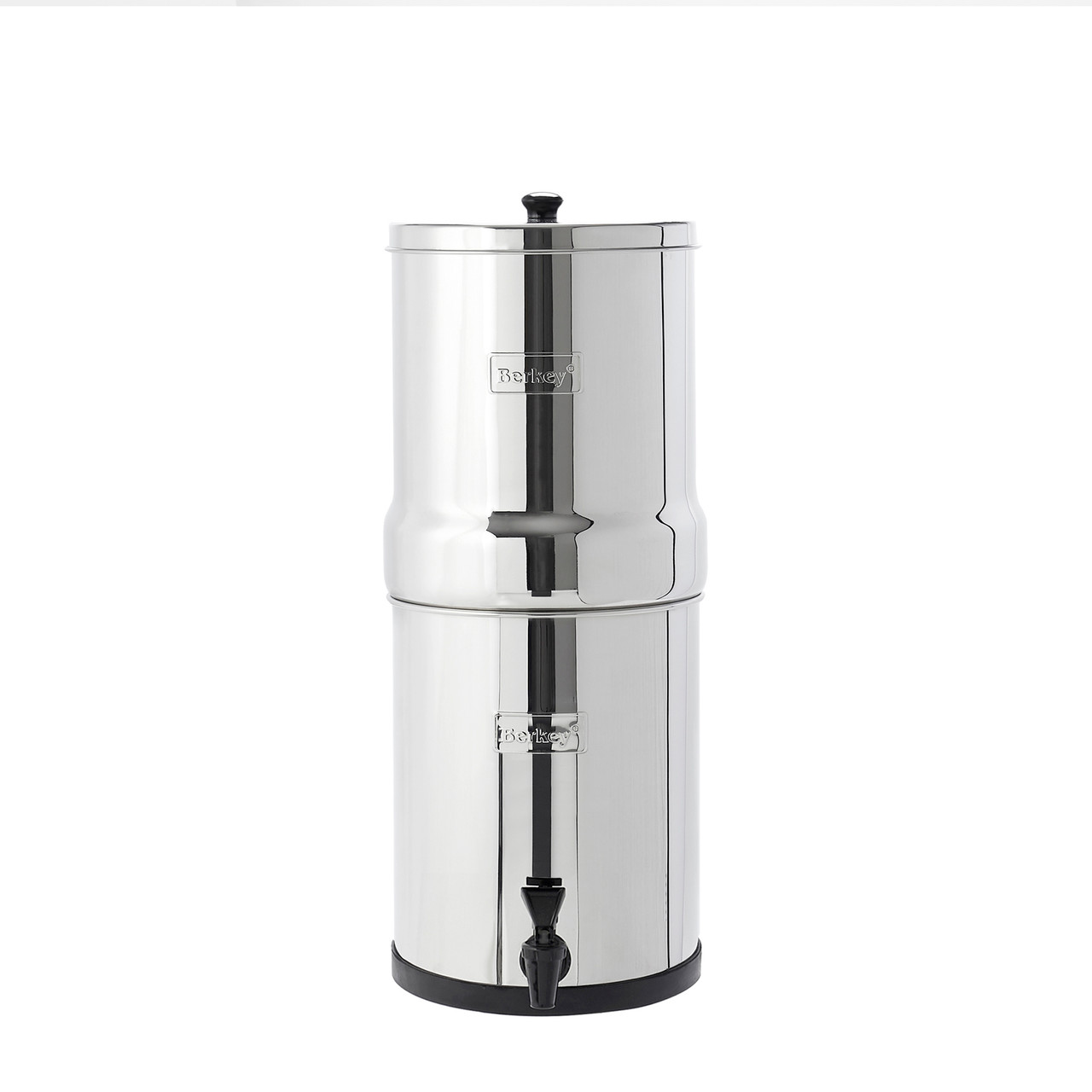
On September 18, 2026 the First Circuit affirmed the denial of Berkey International's request for a preliminary injunction against EPA's 2023 stop-sale order, so the order on Black Berkey filters and systems containing them stays in place.
The D.C. Circuit heard arguments on September 18, 2026 in the utilities' challenge to EPA's 2024 PFAS drinking water rule; EPA's May 2026 proposals to change the rule are not final, so the 4 ppt PFOA and PFOS limits and the 2029 deadline still stand.
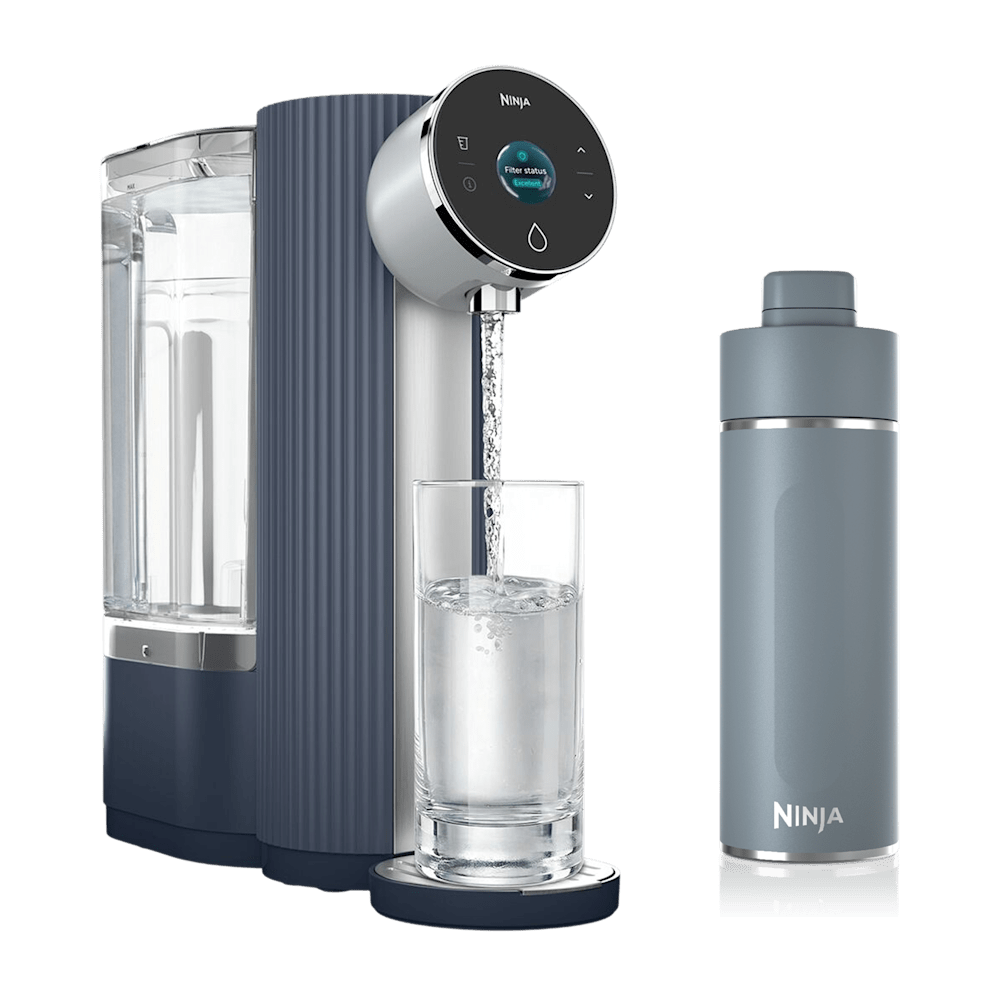
PUR PLUS 11-cup pitcher, ZeroWater 10-cup pitcher, Ninja HydraSense
SharkNinja began selling the Ninja HydraSense countertop filter on August 13, 2026; it is listed by IAPMO R&T under NSF/ANSI 42, 53 and 401, including a 7-PFAS 'Total PFAS' claim, lead and microplastics.
Ninja HydraSense, Brita Hub countertop filter, Aquasana Clean Water Machine
On August 3, 2026 EPA released the protocol for its fluoride human health toxicity assessment, the next step in an accelerated review that could lead to a revised drinking water standard; the current limit, 4.0 mg/L, is unchanged.
Every update cites its sources and links to the filters it affects. We add notes when a certifier listing, an EPA rule, a recall or a product launch changes something on this site.